Airway and Sleep Apnea

Early oral issues can be a warning sign of more serious sleep apnea problems.

Most people don’t realize that they can talk to their orthodontist about any sleep apnea concerns they may have. Receiving proper oral care can allow your sleep apnea issues to be recognized early. Are you experiencing snoring, insomnia or grinding of the teeth? We can get you started on the proper treatment for any sleep apnea disorders. We are proud to offer Airway Consultations for adults and children of all ages. That comprehensive exam includes:
  • All records (photos, digital imaging and digital scans as necessary)
  • An in-depth examination and explanation of findings and any recommended treatment by Dr. Kuhta
  • Subsequent communications between our office and other providers, such as the referring physician or dentist
If you are interested in scheduling an Airway Consultation, please specify that when you call to schedule and plan to be in our office for 90 minutes on the day of your appointment. The Airway Consultation fee is $300 for all ages, as they require additional time and specialized attention.

Pediatrics

Does Your Child Snore?

If your child is experiencing excessive daytime sleepiness, mouth breathing, snoring or morning headaches, they may be suffering from sleep disordered breathing. Research shows up to 5% of children have sleep apnea, and that does not take into account the children who are on the sleep disordered breathing spectrum. Chronic mouth breathing is often due to an airway obstruction and will alter the way a child’s jaw and airway form. Early diagnosis is key to preventing the need for surgical correction when the patient is older. An airway obstruction leads to poor sleep quality and subsequent neurocognitive developmental issues. We have the ability with expanders and dentofacial orthopedic appliances to change the size and shape of the airway in our growing patients. Dr. Kuhta is passionate about airway development and has attended lectures all over the country to provide cutting edge treatment. She works with a specialized airway team to monitor and evaluate every patients progress when undergoing airway development in our office. Every patient in our practice is evaluated for airway and sleep disordered breathing issues.
What to look for:
  • tongue or upper lip tie (a tongue tie prevents the upper jaw from growing properly)
  • dry or chapped lips
  • red, inflamed gum tissue (a sign of mouth breathing)
  • history of chronic ear infections
  • chronic allergies, runny nose, or nasal obstruction
  • any crossbite of the teeth
  • crowded baby teeth
  • anterior open bite (when the front teeth do not overlap)
  • snoring
  • grinding
  • bed wetting
  • restless sleep at night (lots of movement)
  • ADHD like symptoms, hyperactive, inability to pay attention to tasks

What else could be involved with airway treatment?

Dr Kuhta may ask you to seek treatment with an additional team member:
  • ENT to evaluate the tonsils and adenoids
  • Myofunctional therapist, a specialist who helps re-train the tongue
  • Specialist to release a tongue or lip tie
What is the best age to bring my child in for an airway exam?
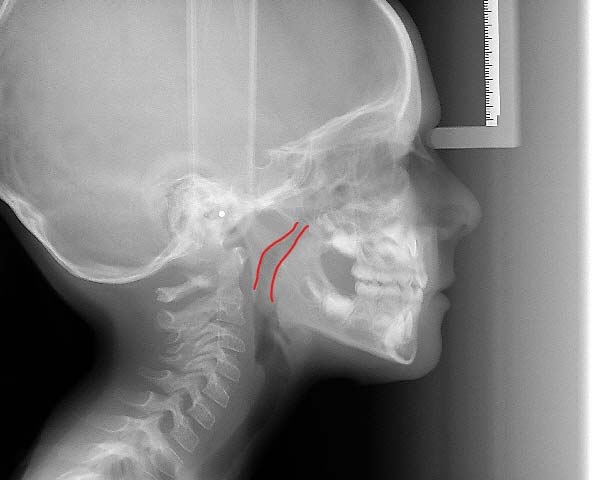
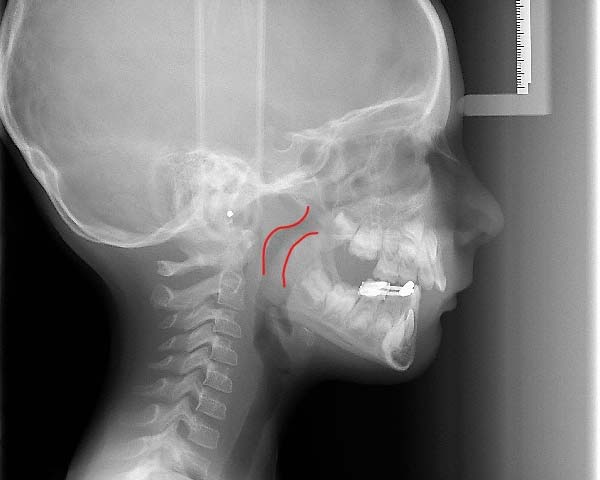
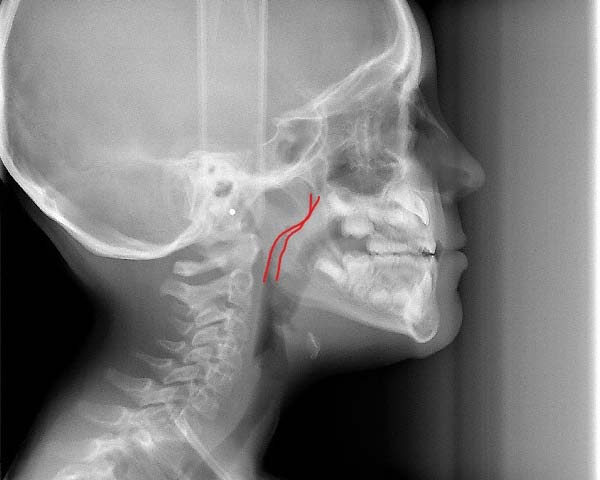
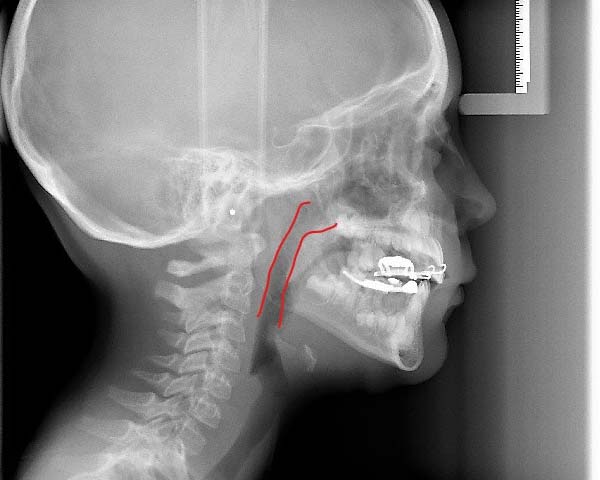
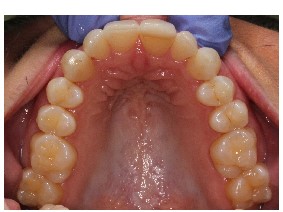
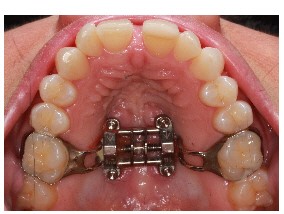
The best age is as soon as it is suspected there are airway issues, our youngest patient is 3 years old. The sooner we recognize an airway issue, the greater the chances of achieving harmonious physical and neural growth and development. Below are examples of patients in our practice who have undergone airway development for pediatric sleep apnea or sleep disordered breathing:

Adults

We recognize many adults need expansion treatment but that becomes more difficult as we age. Adults with sleep disordered breathing present with many symptoms that can include, snoring, open mouth breathing, sleep apnea, upper respiratory resistance syndrome, and trouble falling or staying asleep. The goal is to determine why these symptoms are present and what can be done to improve the patient’s quality of life with appliances or surgical recommendations. Dr. Kuhta uses specialized bone supported expanders to change the shape of the jaw and not just mask the problem. Every treatment plan is specialized to your needs and aims to alter the way in which you breathe. Dr. Kuhta offer’s non-surgical and minimally invasive surgical options to expand or widen the upper jaw. Using bone-based expanders the goal is to widen the jaw and not just tip the teeth. By expanding the jaw with TAD-based (or mini implant) expanders, you can improve airway, increase room for the tongue, open the nasal cavity and correct crossbites. Skeletal expansion on adults can be life changing! If you are interested in the maxillary skeletal expander (MSE) your next step is scheduling an airway consultation. From there we determine if you are a possible candidate and progress to 3-D imaging to evaluate the probable success of expansion. Before your appointment if you would like to research MSE appliances, Dr. Kuhta would be happy to answer any specific questions.

Appointment Form

  • MM slash DD slash YYYY
  • This site is protected by reCAPTCHA and the Google Privacy Policy and Terms of Service apply.

  • This field is for validation purposes and should be left unchanged.

Before

Before

After

After

Before

Before

After

After

Signs Parents May Notice

MOUTH BREATHING

Breathing through the mouth during the day or while sleeping, rather than comfortably through the nose.

RESTLESS SLEEP

Frequent movement, tossing and turning, or waking throughout the night that can disrupt quality rest.

SNORING

Snoring or noisy breathing during sleep, even if it seems occasional or mild.

DARK CIRCLES

Persistent dark circles under the eyes that may appear despite getting enough hours of sleep.

BEDWETTING

Bedwetting beyond the typical age, which can sometimes be linked to disrupted sleep patterns.

DAYTIME FATIGUE

Low energy, difficulty focusing, or seeming tired even after a full night of sleep.

BEHAVIOR CHANGES

Irritability, mood changes, or challenges with emotional regulation and attention.

TEETH GRINDING

Clenching or grinding the teeth during sleep, often noticed as wear or morning jaw soreness.

Frequently Asked Questions

Airway-focused orthodontics looks beyond straight teeth. It evaluates how the jaws, teeth, and facial structures affect breathing. Proper jaw development plays a critical role in maintaining an open, healthy airway. When the airway is restricted, it can contribute to mouth breathing, snoring, poor sleep quality, and other long-term health concerns.

Our goal is not just a beautiful smile—but a foundation for better breathing and overall wellness.

Breathing is foundational to health. When the airway is narrow or compromised, the body may compensate in ways that affect sleep, focus, growth, posture, and even behavior in children.

Airway issues have been associated with:

  • Mouth breathing
  • Snoring
  • Restless sleep
  • Daytime fatigue
  • Difficulty concentrating, ADHD
  • Jaw development concerns
By evaluating airway health early, we can identify structural concerns and design treatment plans that support proper growth and long-term stability.

Yes. Every patient receives an airway screening as part of their comprehensive orthodontic evaluation. We believe breathing should never be overlooked.

We utilize advanced 3D imaging technology, including Cone Beam Computed Tomography (CBCT), to assess jaw structure, tooth position, and airway dimensions with precision. This allows us to see what traditional 2D X-rays cannot.

Cone Beam Computed Tomography (CBCT) is a specialized 3D imaging system that provides detailed views of the teeth, jaws, and airway.

Benefits include:

  • Accurate airway measurement
  • Precise diagnosis with ultra low radiation dose
  • Improved treatment planning
  • Enhanced safety and predictability
CBCT helps us create customized treatment plans that are both orthodontically sound and airway-conscious.

Airway screening can be valuable for both children and adults.

For children with airway concerns, early evaluation (often around age 5) allows us to guide jaw development during growth. Addressing structural concerns early can reduce the need for more invasive treatment later. We do screen children as young as 3 years old if there are airway concerns, specifically sleep apnea, snoring or mouth breathing.

For adults, orthodontic treatment can still improve function, alignment, and in some cases, airway support.

Treatment plans are personalized and may include:

  • Growth guidance appliances
  • Palatal expansion
  • Braces or clear aligners
  • Retention protocols designed for long-term stability
Each plan is tailored to support both proper alignment and optimal airway structure.

Treatment costs vary depending on complexity and length of care. We strive to make treatment accessible and transparent.

Our typical financial structure includes:

  • $800 down payment
  • $200 monthly payments
  • Costs can range from 3,000-12,000 depending on appliances used, treatment time, and surgical expenses if needed
Before beginning treatment, you’ll receive a detailed financial breakdown so there are no surprises. We can offer flexibility! Reach out to our treatment coordinators so we can get numbers that work for you.

Yes. We offer flexible in-office payment options to make treatment manageable for families. Our team will review all available options with you during your consultation.

Your initial visit includes:

  • Digital imaging, including CBCT
  • Airway screening
  • Discussion of findings and treatment options with our doctor
  • A clear review of fees and payment arrangements
We take the time to answer your questions and ensure you understand every aspect of your care.

Orthodontic insurance benefits vary by plan. Our team is happy to help verify your benefits and explain what portion may be covered.

Common signs include:

  • Mouth breathing
  • Snoring
  • Dark circles under the eyes
  • Crowded teeth
  • Narrow palate
  • Restless sleep
  • Bed wetting
  • ADHD like symptoms
If you have concerns, we encourage scheduling a consultation for a thorough evaluation.

Traditional orthodontics focuses primarily on alignment. Airway-centered orthodontics considers the bigger picture—how facial development, jaw position, and breathing all work together.

We believe a healthy smile should support a healthy life.

Top

Associations

Are You Ready For Your Free Consultation?

Get the Details
Call Text Consultation Financing